The Compliment Everyone Loves
There’s something universal about hearing, “Your car looks so clean.”
It doesn’t matter if it’s a brand-new luxury sedan or a 20-year-old daily driver — people light up the same way. A truly clean car looks cared for. It stands out in a way most people can’t explain. It looks intentional.
But here’s the part no one thinks about:
Even after a careful wash, your car still isn’t truly clean.
The Illusion of Clean
A wash only removes the dirt you can see.
But every car — no matter how new — collects a layer of contamination that soap and water can’t touch:
Iron particles from brake dust and the road
Embedded road film baked into the clear coat
Tar and overspray stuck deep into microscopic pores
Mineral deposits or water spots from water and the environment
If you’ve ever washed your car and the paint still felt rough, or the gloss looked good in shade but dull in direct sun, this is why.
It looks clean… but not detailed.
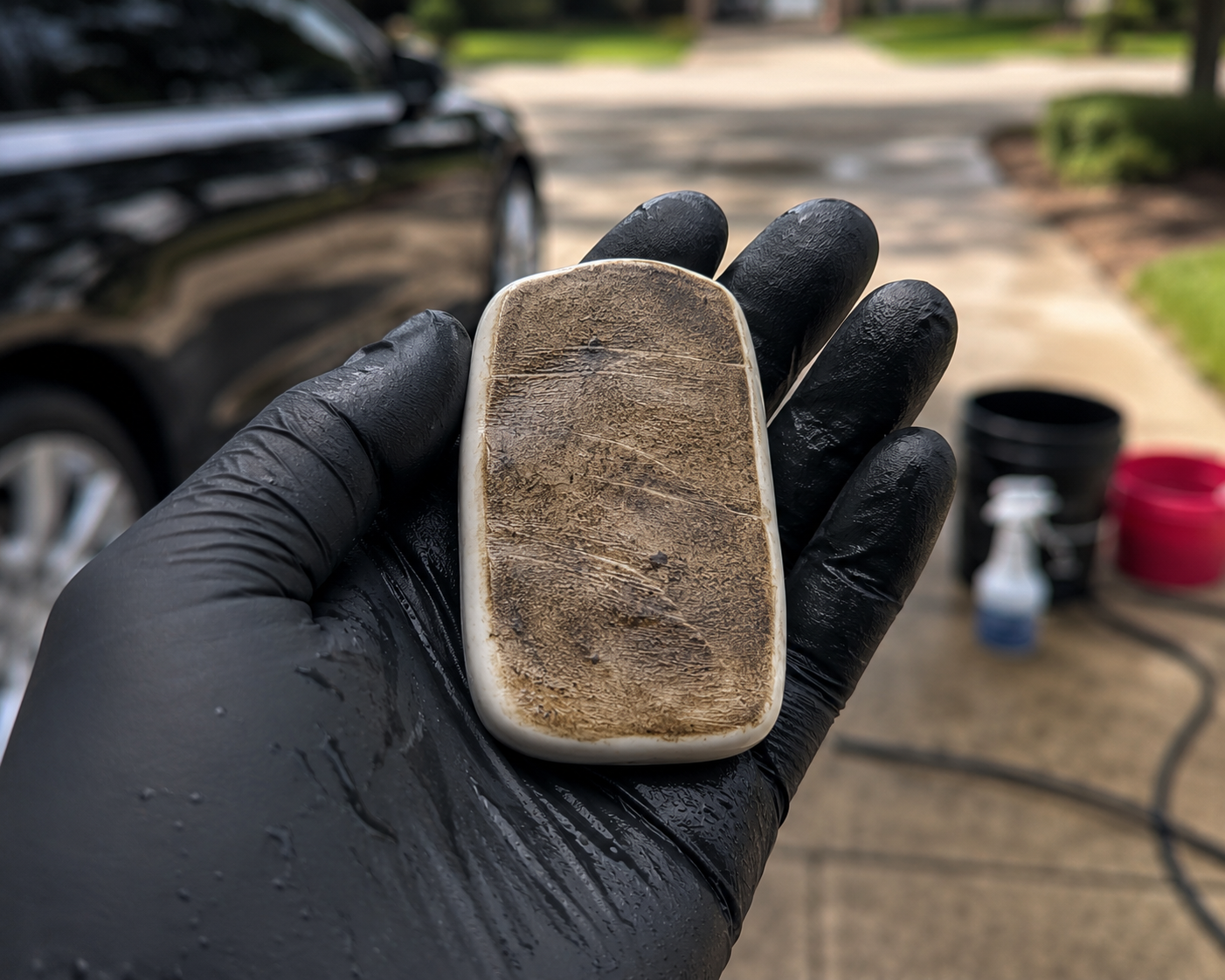
A dirty clay bar filled with contaminates from a vehicles paint.
The Step Most People Don’t Even Know Exists
This is where paint decontamination comes in — and surprisingly, most people have never even heard of it.
Honestly, even some “detailers” skip it entirely.
We’ve personally heard responses like:
“Oh… I don’t do that.”
As if decontamination is some optional extra instead of one of the most important steps in the entire detailing process.
But here’s the reality:
If contamination is still embedded in the paint, you’re not working on a clean surface.
You’re polishing, protecting, or coating over contamination.
That limits gloss.
Limits smoothness.
Limits durability.
And in some cases, can even worsen the paint during correction.
Real detailing starts beneath the surface.
Where Real Detailers Begin
Before polishing or protecting paint properly, the contamination layer has to be removed first.
Iron removers chemically dissolve embedded metallic particles hidden in the paint.
Clay bars (or synthetic clay alternatives) physically pull out the remaining bonded contamination left behind.
It’s essentially exfoliation for your vehicle.
The same way washing your face keeps things presentable…
Exfoliation reveals what was meant to be underneath:
smoothness, clarity, depth, and natural gloss.
And the difference is immediate.
Paint that once felt rough suddenly feels like glass.
Light reflects cleaner.
Colors appear deeper.
Metallic flake becomes more visible.
Even older paint can suddenly feel alive again.
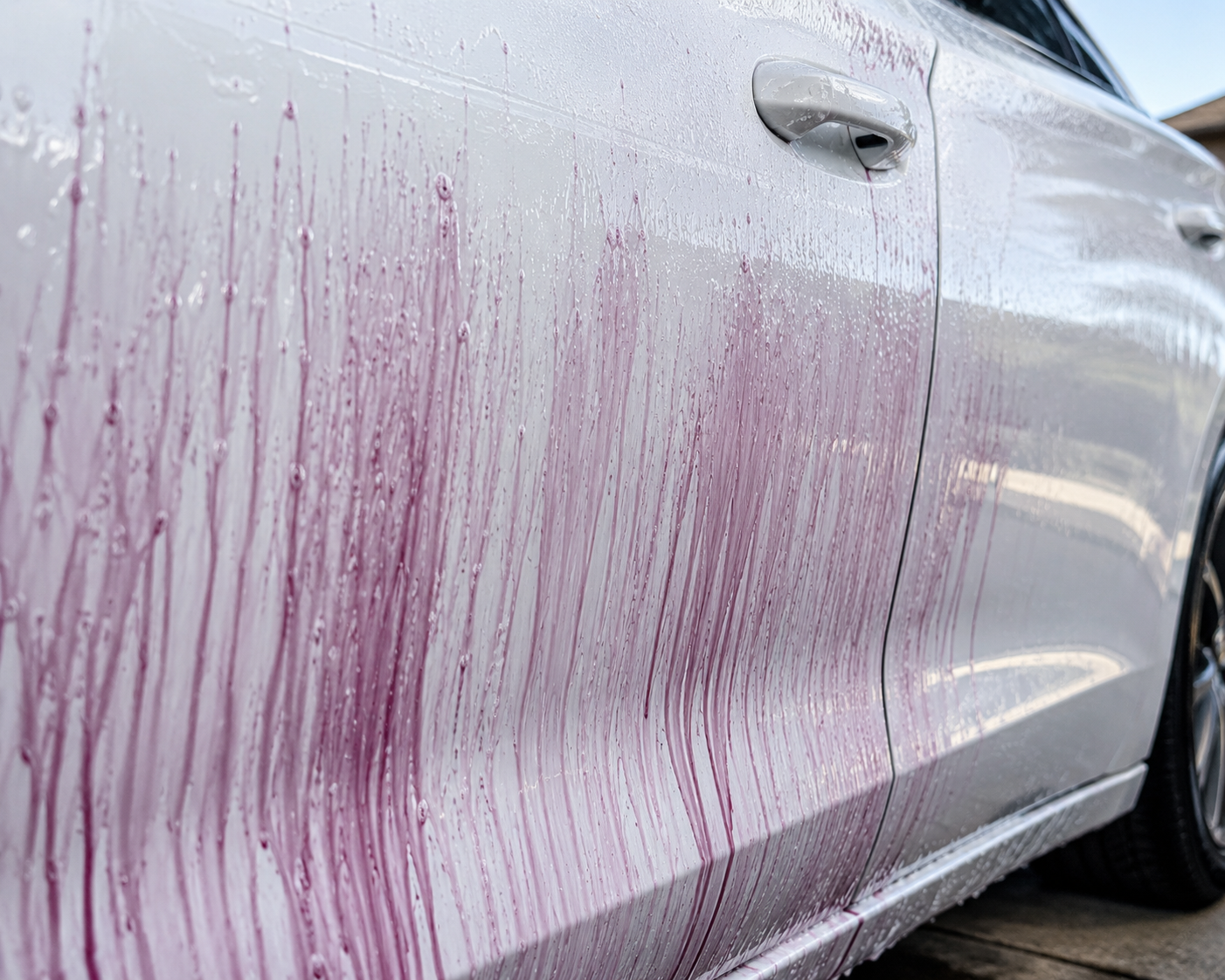
Iron remover turns purple when reacting with metal contaminants in the vehicles paint.
This is the part 90% of car owners never experience — and it’s exactly why true detailing looks different.
Why This Matters Before Protection
Proper decontamination is also what allows protection to actually perform the way it’s supposed to.
Once the paint is fully decontaminated:
Paint correction can happen more safely and effectively
Ceramic coatings bond correctly to the surface
Protection lasts longer
Gloss increases dramatically
Maintenance becomes easier
Dirt releases more easily during washes
This is one of the biggest differences between a quick “detail” and a properly prepared vehicle.
Most people have never seen what their paint actually looks like when contamination is fully removed.
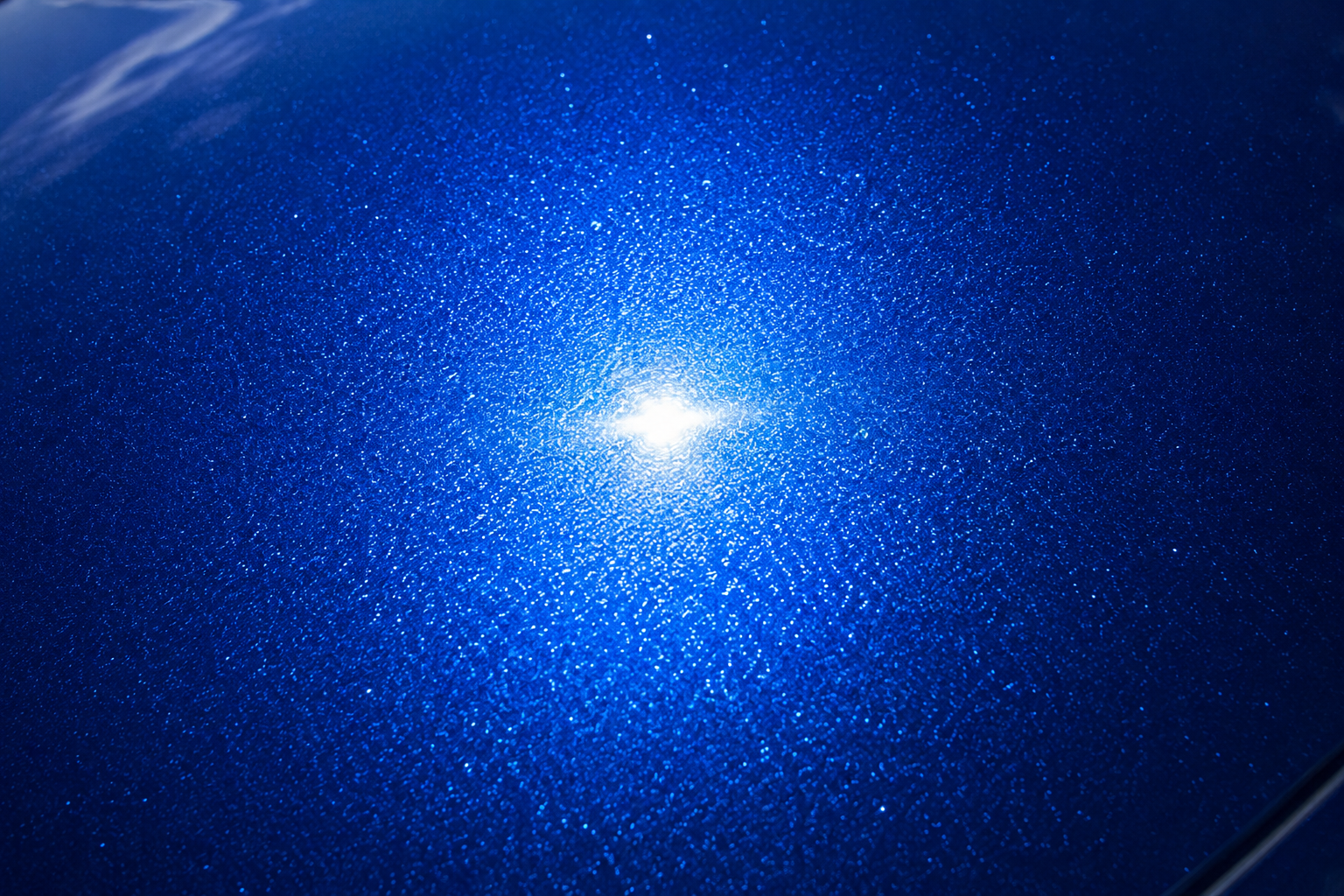
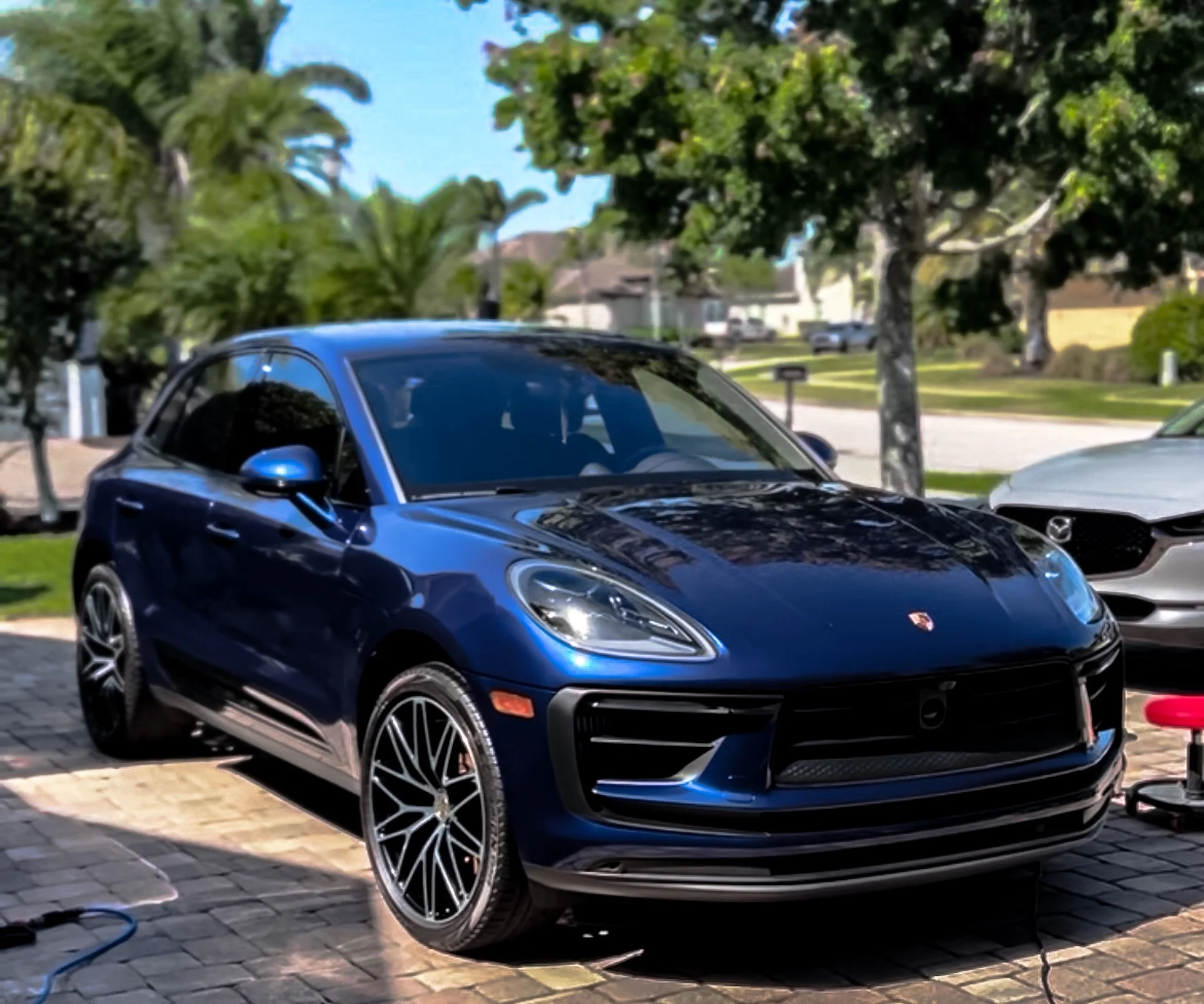
This fully decontaminated and swirl free paint looks absolutely beautiful in the sun
Want Your Car to actually feel clean?
If your paint feels rough after washing, contamination is still there.
And that contamination is silently reducing gloss, clarity, protection, and overall longevity.
At Aesthetic Detailing, every major service begins with proper paint decontamination because true results start with a truly clean surface.
Smooth. Protected. Glossy. Aesthetic.